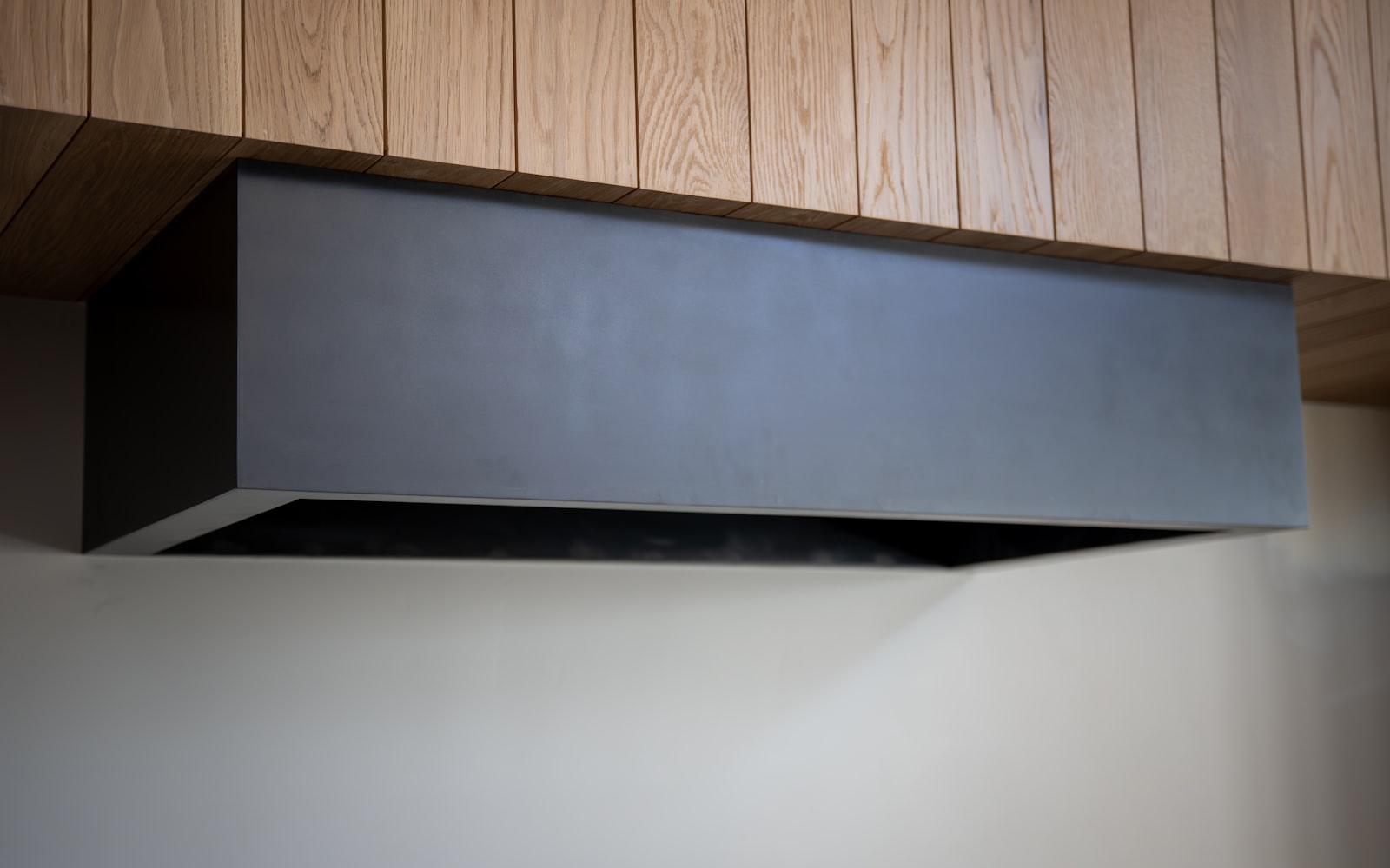
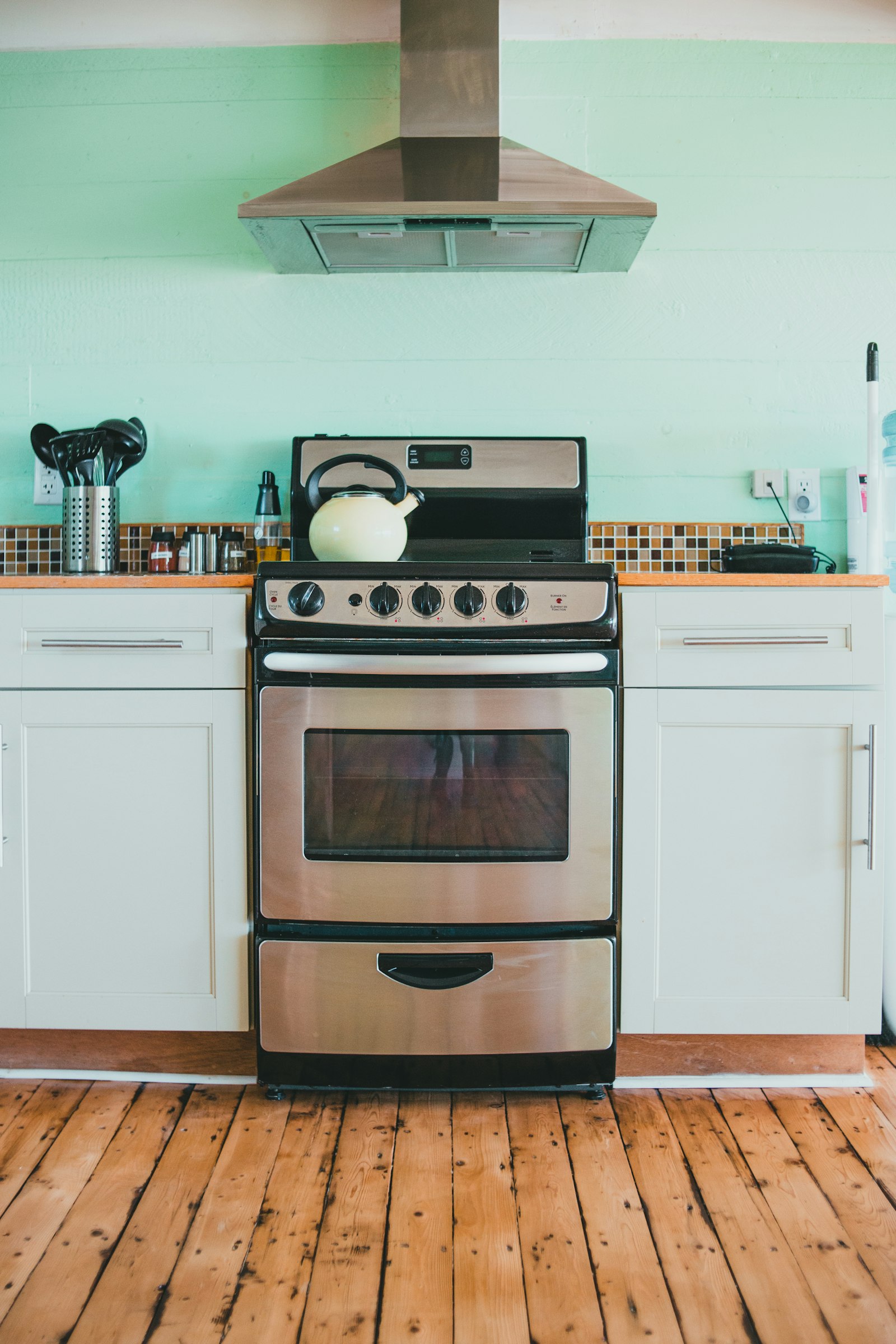
An lg range hood weak suction problem builds gradually — the hood still runs and lights up, but smoke lingers. Because airflow depends on a chain of parts, you diagnose it by walking that chain from the filters outward.
LG STUDIO range hoods have no digital diagnostics at all, so every diagnosis here is symptom-led: you confirm power, then work outward through the switch, motor, capacitor, filters, duct, and exterior damper. We start with the everyday causes you can check yourself, then explain the signs that point to a part that genuinely needs a hands-on repair.
What a lg range hood weak suction usually means
Most lost suction starts at the grease filters, which clog with cooking grease and choke airflow long before they look full. On recirculating hoods a spent charcoal filter strangles airflow too. Beyond the filters, a crushed or overly long duct and a stuck exterior damper are the next suspects.
First checks you can do
Start with the checks you can safely do yourself. Each one rules out a common, inexpensive cause, and together they resolve the majority of cases without a service visit:
- Remove and degrease the baffle or mesh grease filters in hot soapy water or the dishwasher.
- On recirculating hoods, replace (do not wash) the charcoal filter on schedule.
- Inspect the duct for crushed sections, excess length, or too many bends.
- Confirm the exterior damper opens freely when the blower runs.
Take these in order and test whether the problem has cleared before moving to the next. If you do end up needing help, having worked through them gives the technician a useful head start.
Common symptoms and what they point to
Matching the exact symptom to its likely cause is how you avoid replacing the wrong part. Compare what you are seeing to the patterns below:
- Smoke and steam linger even at the highest fan speed — start at the grease filters.
- A recirculating hood smells stale and pulls weakly — the charcoal filter is likely spent.
- The duct run is long or has many bends — airflow drops with each obstruction.
- The exterior wall cap looks greasy — its damper flap may be stuck shut.
If more than one pattern fits, start with the simplest cause and confirm it is clear before moving on, so no part is bought before the diagnosis is certain. The aim is to narrow the field down to a single likely cause, because that is what turns an open-ended problem into a quick, affordable fix.
When it is a problem, not a habit
If the everyday checks above do not resolve it, the problem has likely moved from something you can adjust to a component that needs testing or replacing. These are the signs that point that way:
- Filters are clean, the duct is clear, and the damper opens, yet suction is poor — the blower motor or its control is the likely problem.
- A grease-caked fan wheel unbalances and loses output.
- Worn motor bearings or a failing speed control reduce airflow.
At this point a proper diagnosis beats guesswork, since the remaining causes involve a specific part or electrical testing. A technician can meter the suspect component and fit a genuine LG part so the repair lasts.
Putting it together
Work the checks above in the order given. Most LG range hood problems of this kind clear at one of the early, owner-checkable steps; the ones that do not point to a specific part and are worth a proper diagnosis rather than guesswork. Move from the simplest cause outward, confirm each step before the next, and treat a returning code or a lingering symptom as your cue to bring in help. A little routine care afterwards prevents most repeat calls, since LG builds these range hoods to last.
Related reading: LG range hood fan not working, LG range hood maintenance, and our range hood repair service.
Book LG range hood service
If these steps do not resolve it, our experienced technicians repair LG range hoods with genuine parts and a labor guarantee. Schedule a visit, see what our range hood repair service covers, or confirm your model details on the manufacturer’s site at lg.com/us.