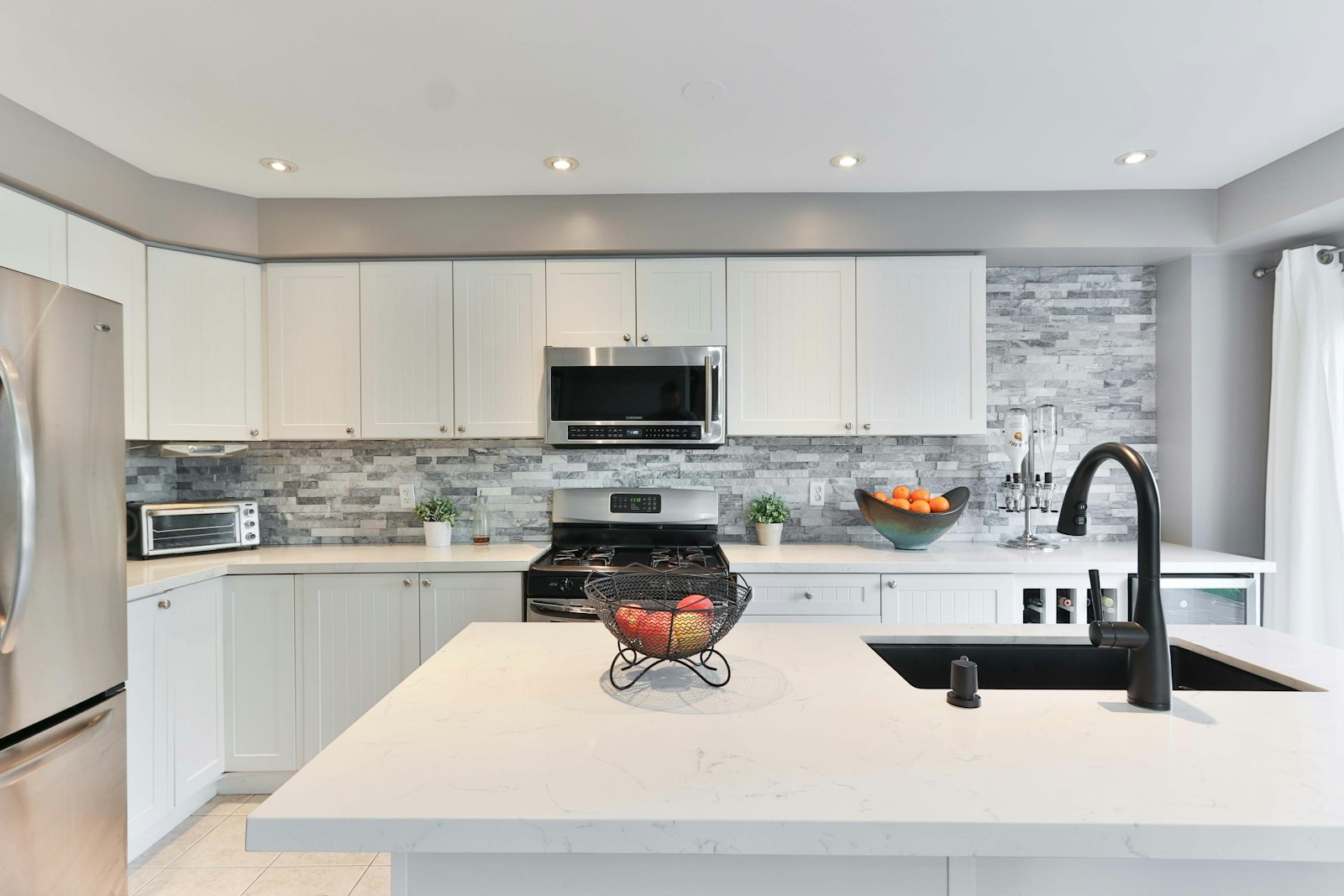
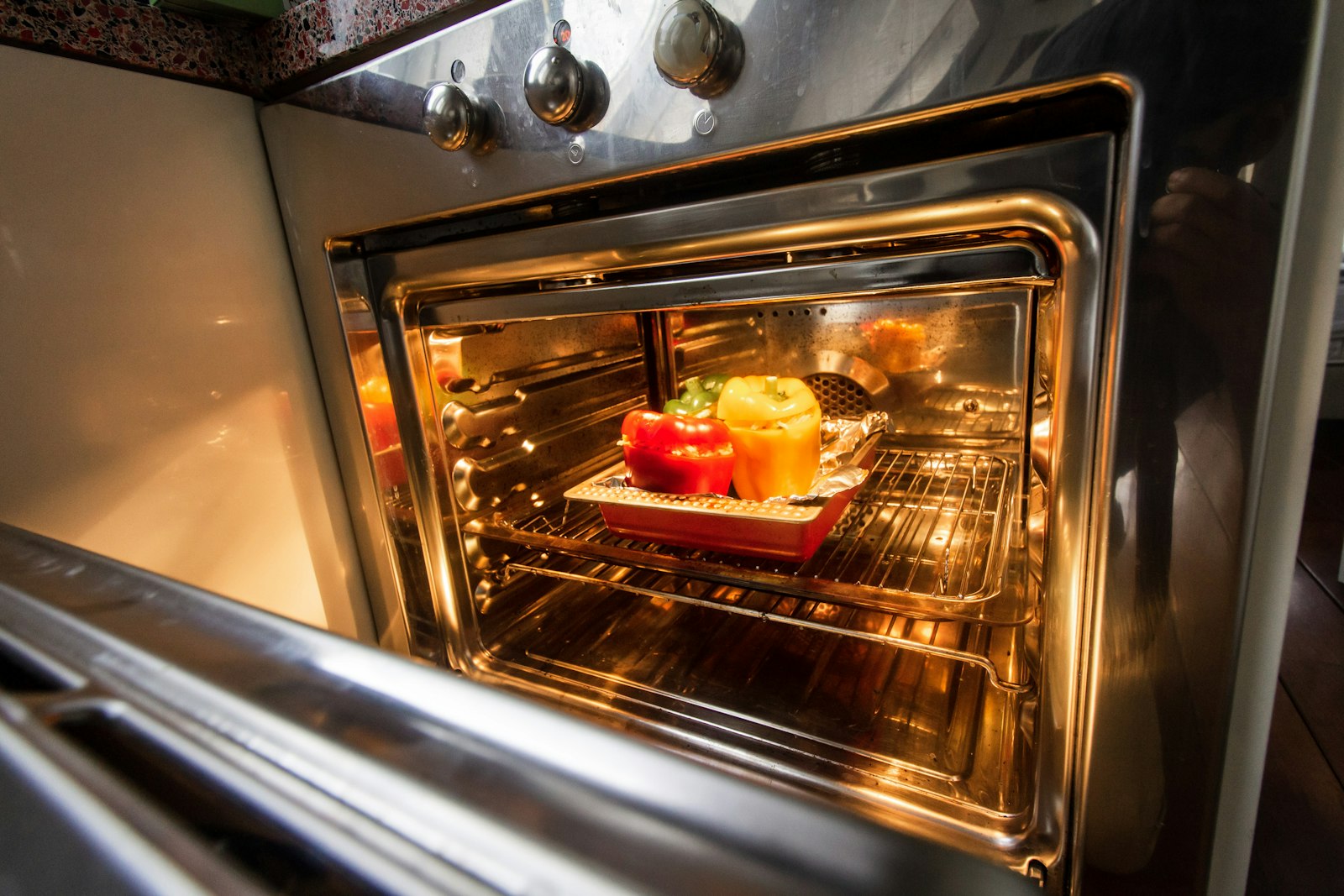
A precise lg wall oven installation protects both the cabinetry and the oven’s performance. Because the unit recesses into a tall cabinet and carries real weight, the cutout, circuit, and support all have to be right.
LG wall ovens are electric, use an RTD oven sensor, and report faults as F-codes, so the F-number is your best early clue to whether a sensor, element, latch, or board is involved. We start with the everyday causes you can check yourself, then explain the signs that point to a part that genuinely needs a hands-on repair.
What a lg wall oven installation usually means
LG wall ovens (single WSEP, double WDEP, oven-microwave combo WCEP) are electric and need a dedicated circuit sized to the model — there is no verified gas wall-oven line, so plan for electric. An undersized cutout, a weak shelf, or a wrong circuit are the usual install problems.
First checks you can do
Start with the checks you can safely do yourself. Each one rules out a common, inexpensive cause, and together they resolve the majority of cases without a service visit:
- Confirm the cabinet cutout matches the model spec exactly before lifting the oven in.
- Provide a dedicated electric circuit sized to the oven; LG wall ovens are electric.
- Support the oven on a solid shelf rated for its weight and secure it per the manual.
- Maintain the specified clearances so the cooling fan can vent heat.
Take these in order and test whether the problem has cleared before moving to the next. If you do end up needing help, having worked through them gives the technician a useful head start.
Common symptoms and what they point to
Matching the exact symptom to its likely cause is how you avoid replacing the wrong part. Compare what you are seeing to the patterns below:
- An oven that trips the breaker may be on an undersized circuit.
- An F27 cooling-fan or overheat issue can follow blocked vent clearances.
- A combo WCEP unit needs both oven and microwave clearances respected.
If more than one pattern fits, start with the simplest cause and confirm it is clear before moving on, so no part is bought before the diagnosis is certain. The aim is to narrow the field down to a single likely cause, because that is what turns an open-ended problem into a quick, affordable fix.
Getting it right for the long run
After the unit is connected, run a short first cycle and watch it closely. Confirm there are no leaks at any connection, check that the appliance is steady and not walking or vibrating, and make sure no fault code appears on the display. Catching a loose fitting or an overlooked step now, while everything is still accessible, is far easier than diagnosing it later. A few minutes of observation at the end of the install saves a service call down the line.
Putting it together
Work the checks above in the order given. Most LG wall oven faults of this kind clear at one of the early, owner-checkable steps; the ones that do not point to a specific part and are worth a proper diagnosis rather than guesswork. Move from the simplest cause outward, confirm each step before the next, and treat a returning code or a lingering symptom as your cue to bring in help. A little routine care afterwards prevents most repeat calls, since LG builds these wall ovens to last.
Related reading: LG oven F-codes explained, LG oven self-clean guide, and our oven repair service.
Book LG wall oven service
If these steps do not resolve it, our experienced technicians repair LG wall ovens with genuine parts and a labour guarantee. Schedule a visit, see what our wall oven repair service covers, or confirm your model details on the manufacturer’s site at lg.com/us.