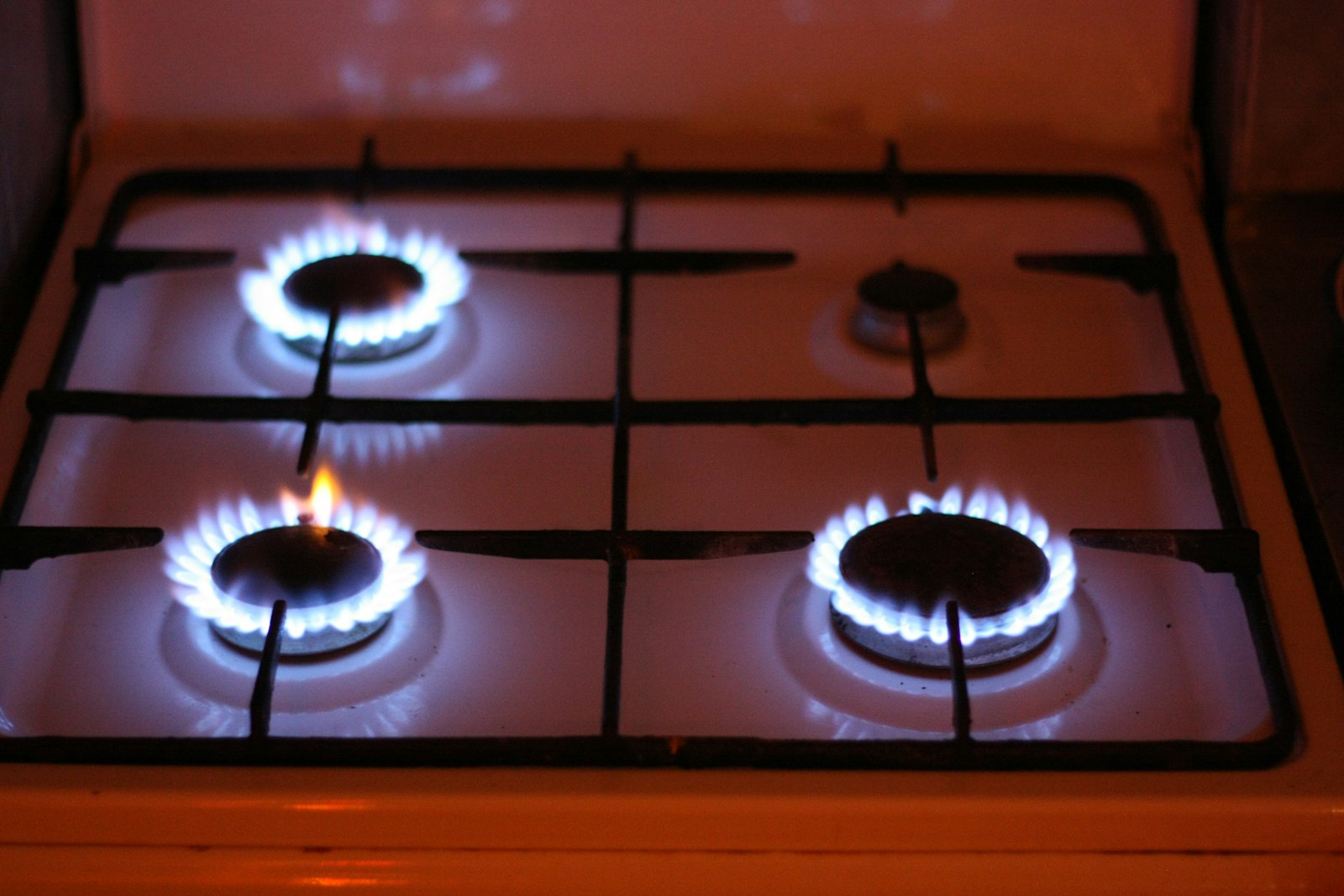
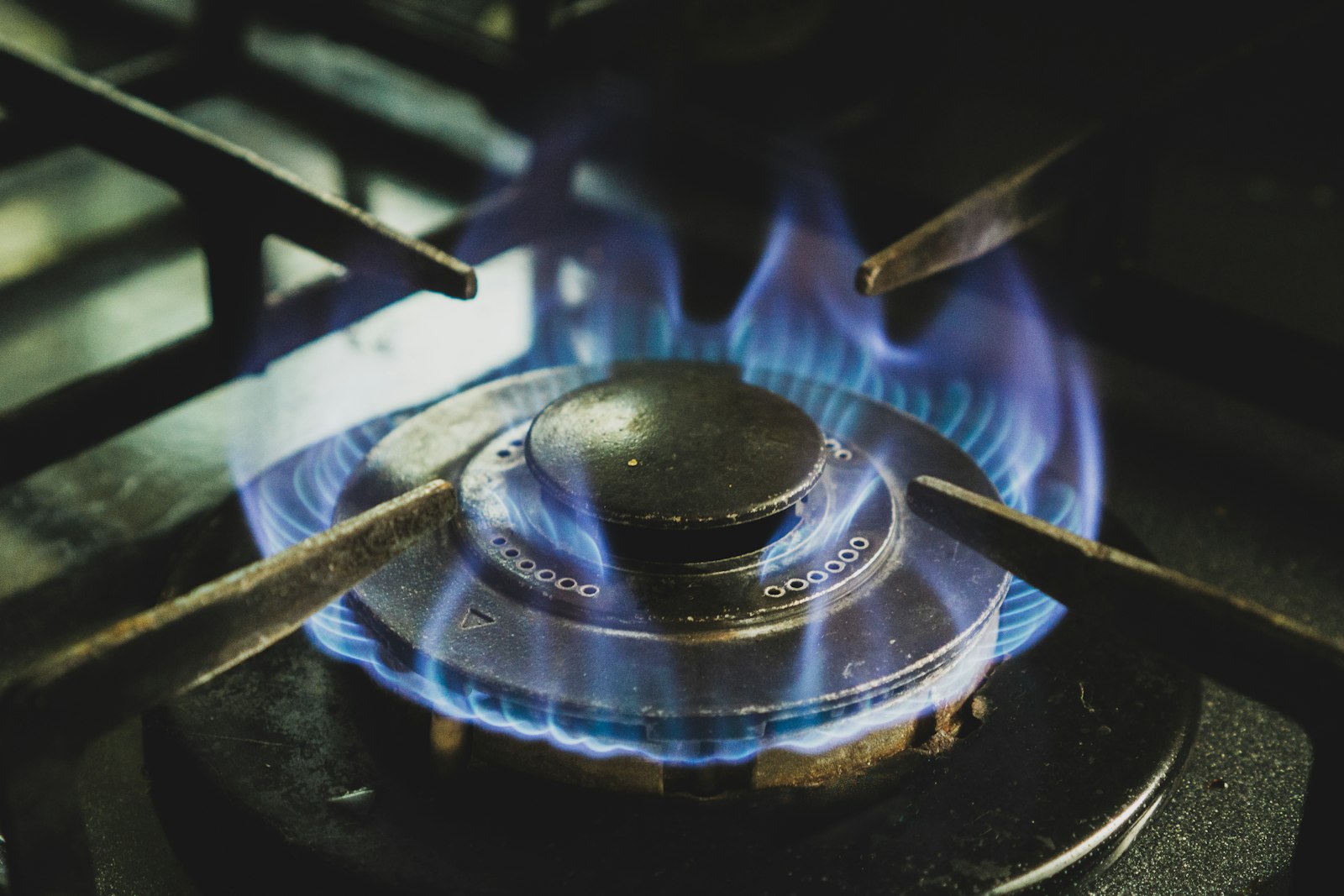
The LG cooktops lineup
LG cooktops are drop-in cooking surfaces offered in three technologies. Electric radiant models carry the LSCE prefix (the LSCE305ST 30-inch and LSCE365ST 36-inch, both LG STUDIO), induction models carry the CBIH and CBIS prefixes (the CBIH3613BE and STUDIO CBIS3618BE), and gas models carry the LCG and CBGS/CBGJ prefixes (the LCG3611ST, LCG3011ST, LSCG307ST, CBGS3028S, CBGJ3023S, and CBGJ3027S). Widths run 30 and 36 inches to fit most counter runs. You can review the current range on the manufacturer’s site at lg.com/us and the units we service in our model directory.
LG cooktops technologies that matter
Each cooktop technology cooks differently and is repaired differently. Sealed gas burners give instant, visible flame control and high output for searing and wok cooking, while an UltraHeat Power Burner adds extra punch. Induction heats ferrous cookware directly through a magnetic field for the fastest, most precise, most efficient heat, with a surface that stays cooler and wipes clean. Electric radiant offers smooth, simple ceramic-glass cooking. Because the components are entirely different — burners and igniters, induction coils and power boards, or radiant elements and infinite switches — accurate diagnosis always starts with confirming which LSCE, CBIH, or LCG model you own and fitting the matching genuine LG part.
Common LG cooktop problems and codes
LG cooktops surface only a thin set of stored codes, so most problems are diagnosed by symptom and component testing:
- F3 — a touch-key problem.
- F33 / F34 — an induction-burner sensor failure.
- H5 — hot-surface indicator (not a problem).
- PF — power failure (not a problem).
- Induction won’t heat with the wrong pan — normal cookware detection, not an error.
- Cracked glass surface — a safety issue needing a full glass-top replacement.
For meanings and next steps, see our LG cooktop error codes.
Maintenance essentials
- Keep gas burner ports and caps clean and correctly seated.
- Use flat-bottomed ferrous cookware on induction for reliable detection.
- Keep the induction cooling vent clear so the surface does not overheat.
- Clean spills promptly so they do not bake onto the glass.
- Use only induction- or ceramic-safe cleaners on the glass top.
Choosing and installing an LG cooktop
An LG cooktop is chosen by technology and then sized to the cutout. Induction suits cooks who want the fastest, most precise heat and easy cleanup and already own — or are willing to buy — flat-bottomed ferrous cookware; a CBIH or CBIS induction model also draws heavily, so it needs a correctly sized dedicated high-amperage circuit. Gas suits cooks who prefer an open flame and the freedom to use any pan, including a wok or a cast-iron skillet, and an LCG model needs a gas line and proper combustion clearance. Electric radiant LSCE models are the simplest and most affordable smooth tops, requiring only a dedicated electric circuit. Width is the next factor: a 30-inch model fits a compact run, while a 36-inch model adds a fifth burner or element for cooking more pans at once. All three install as drop-ins above cabinetry or a wall oven, and all three should be paired with an LG range hood sized to the surface’s output. Confirming the exact LSCE, CBIH, or LCG model and its cutout lets a technician match the right genuine burner, coil, switch, or glass top.
When to call for LG cooktop repair
Induction power boards, gas spark systems, infinite switches, and cracked glass tops are best handled by experienced technicians who can isolate the problem and fit genuine LG parts. Note the symptom and your LSCE, CBIH, or LCG model number when you book. Diagnostic visits start from $89, with a labor guarantee on the workmanship; the total depends on parts and configuration. Schedule LG cooktop repair, browse our repair guides, or book an appointment online.