The LG dryers lineup
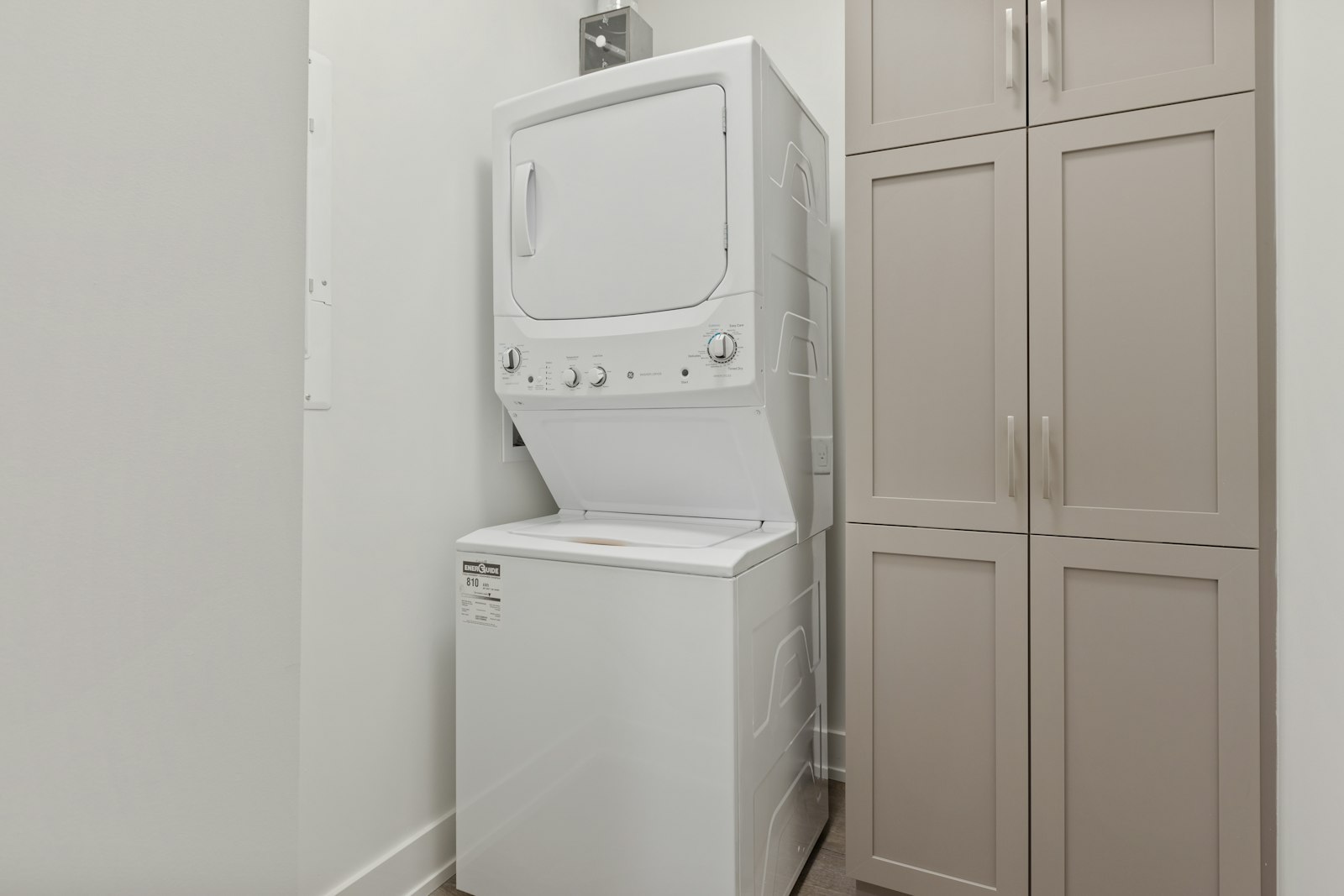
LG dryers come in three fuel and drive types: electric DLEX models, gas DLGX models, and ventless heat-pump DLHC models that need no exterior duct. Electric buyers choose the DLEX4000B, DLEX5500W, or the large 7.3 cu ft DLEX7900BE; gas buyers choose the DLGX4001B or DLGX5501W; and the ventless heat-pump range includes the DLHC5502W and the 24-inch compact DLHC1455W. Many of these pair with a matching LG washer or stack into a WashTower. You can review the current range on the manufacturer’s site at lg.com/us and the models we service in our model directory.
LG dryers technologies and Flow Sense
An LG dryer’s performance rests on a few key technologies. Flow Sense monitors exhaust restriction and warns you when the duct needs cleaning — its d-codes are an informational reading of roughly how blocked the duct is, not a broken part. Sensor Dry and AI Sensor Dry measure moisture to stop the cycle at the right time and protect fabrics, while TrueSteam reduces wrinkles and odours. The ventless DLHC models use a Dual Inverter HeatPump that recycles heat for roughly 65% less energy, and ThinQ Smart Diagnosis reports problems through the app. Because heating systems differ completely between electric, gas, and heat-pump dryers, genuine LG parts matched to your DLEX, DLGX, or DLHC number are essential for a correct repair.
Common LG dryer problems and codes
LG dryers report problems and Flow Sense warnings on the display. The most common:
- d80 / d90 / d95 — Flow Sense duct restriction (~80–95%); clean the lint filter and full exhaust duct.
- tE1 / tE3 — inlet or outlet thermistor failure.
- tE2 — cold-weather cold-air backflow; often self-clears.
- nP / PS — no heater current or improper cord voltage (often a missing 240V leg).
- AE — on a heat-pump DLHC, a compressor failure (not a washer leak).
- LE1 / LE3 — heat-pump drum-motor or blower-fan failure.
- F0 / IF — lint filter out or not assembled.
For meanings and next steps, see our LG dryer error codes.
Maintenance essentials
- Clean the lint filter every load and the full exhaust duct regularly to clear Flow Sense warnings.
- Use a rigid metal transition duct and confirm the exterior flap opens.
- On heat-pump models, rinse the condenser filter and empty the water container.
- Wipe the moisture-sensor bars so Sensor Dry reads correctly.
- Keep ThinQ firmware current for reliable Smart Diagnosis.
Choosing the right LG dryer for your home
The biggest decision among LG dryers is the heat source, because it shapes installation, running cost, and repair. An electric DLEX needs a dedicated 240V circuit and a vented duct to the exterior; a gas DLGX needs a gas line and a vent but costs less to run per load in many areas; and a ventless heat-pump DLHC needs neither a gas line nor an exterior vent, which makes it the only practical choice for an interior closet or apartment, at the cost of a longer cycle and a condenser filter to maintain. Capacity is the next factor: the 7.3 cu ft DLEX7900BE handles bulky comforters and large family loads, while the 24-inch compact DLHC1455W suits a tight space or a stacked install. Pairing matters too — most LG dryers are designed to sit beside or stack on a matching LG washer, and the WashTower combines both in one column. Confirming the exact DLEX, DLGX, or DLHC model and its fuel type lets a technician bring the correct genuine heating element, igniter, thermistor, or compressor part for a lasting repair.
When to call for LG dryer repair
Heating elements and gas igniters, thermistors, heat-pump compressors, and control boards are best handled by experienced technicians who can read the codes and fit genuine LG parts. Note the exact code and your DLEX, DLGX, or DLHC model number when you book. Diagnostic visits start from $89, with a labor guarantee on the workmanship; the total depends on parts and configuration. Schedule LG dryer repair, browse our repair guides, or book an appointment online.