TL;DR: LG sells its craft ice maker as four separate module numbers — LK50C, LK60C, LK65C and LK75C — and they are not interchangeable. Each one is built to drop into a specific freezer compartment opening, so the number that matters before you order one is not the ice shape, it is the model and serial plate on your own refrigerator.
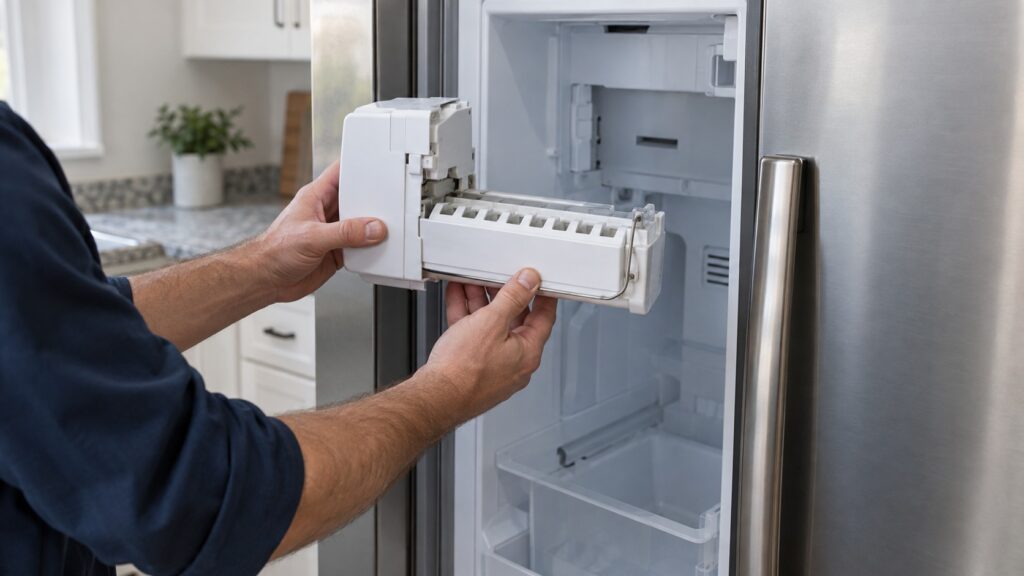
Craft ice — the round, slow-melting ice ball LG markets alongside its InstaView and side-by-side refrigerators — comes from a sealed module bolted into the freezer, not from a tray you can swap between fridges. Shoppers run into the LK-series numbers in two situations: buying a refrigerator that already has one built in, or replacing a failed module on a machine that is out of parts coverage. Either way, picking the wrong number wastes money, because a module sized for one freezer cavity will not seat, wire in or seal correctly in another. This lg craft ice maker buying guide focuses on that fit question specifically, rather than on how the ice itself forms.
What actually separates LK50C, LK60C, LK65C and LK75C?
The four numbers correspond to different freezer platforms, not to four grades of the same part. LG changes the module’s footprint, its water-fill connector position and its control harness between refrigerator generations, so a module built for one cabinet depth will not clear the shelving or door liner of another. The practical differences a shopper needs to weigh are:
How do I know which module my refrigerator needs?
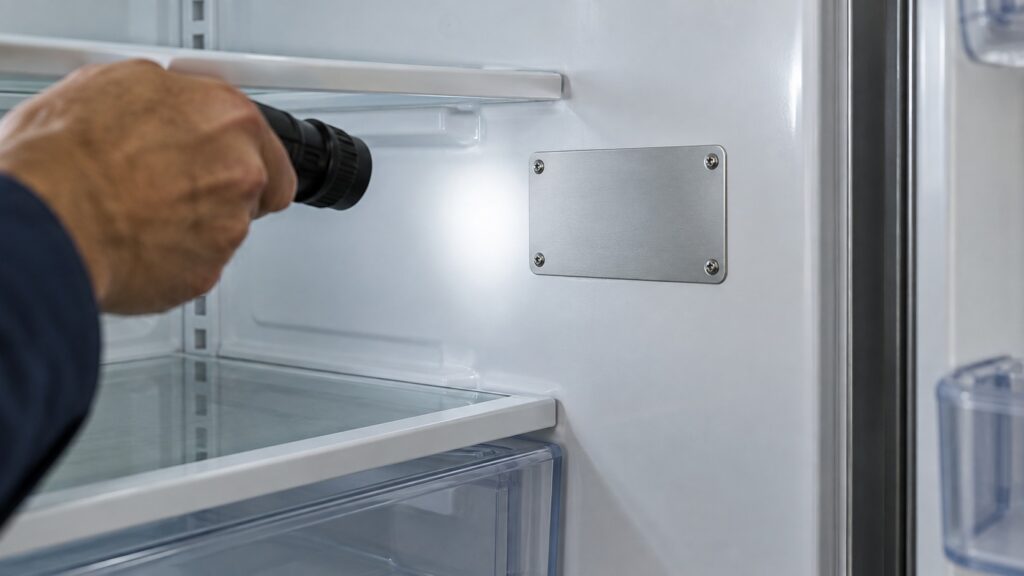
Do not guess from the freezer’s outward dimensions. The reliable path is the model and serial plate, usually on the inside wall of the fresh-food compartment or behind the crisper drawer. That full model number tells a parts counter or a technician exactly which of the four LK-series modules pairs with your cabinet — and whether your refrigerator uses a craft ice module at all, since not every InstaView model does. If the plate is worn or missing, the original sales paperwork or a technician’s visit are the next-best sources; ordering by freezer size alone is the single most common return reason on this kind of part.
Does freezer space change which model fits?
Yes, and this is where shoppers get tripped up buying a new refrigerator rather than a replacement part. A narrower counter-depth cabinet has less room behind the door for a large module, so LG pairs its more compact craft ice hardware with those bodies and reserves the higher-capacity module for wider side-by-side and French-door freezers. If floor space is tight in your kitchen, that trade-off is worth checking before the purchase, because a cabinet built around the larger module needs the depth to match — you cannot retrofit a bigger module into a body designed for the smaller one.
What should I check before ordering a replacement?
Before you order any of the four numbers as a replacement part, confirm three things: the exact refrigerator model number from the plate, whether the existing module’s connector and mounting bracket match what you’re buying, and whether the fault is really the ice module rather than the water inlet valve or the freezer’s own temperature control feeding it. A module that never fills with water often has a supply-line problem, not a module problem, and swapping a good module for another good module will not fix that.
Is a bigger-capacity module always the better buy?
Not automatically. A higher bin capacity means more stored ice between fills, which suits a large household or an entertaining kitchen, but it also means a larger cavity carved out of usable freezer space. If your household mostly uses a handful of craft ice cubes at a time, the smaller-capacity module frees up shelf room for everything else you keep frozen. Match the module to how the freezer gets used, not to the largest number in the lineup.
Should I install a replacement module myself?
A craft ice module sits on a water line and a control harness, and getting either wrong on installation can leave the unit leaking inside the freezer or unable to communicate with the main board even after the physical fit is correct. Some owners with mechanical experience do install their own replacement, but the water-line connection in particular is worth extra care: a loose fitting inside a freezer cavity is a slow leak that can go unnoticed for weeks, freezing into ice around the module rather than dripping visibly. If you are not confident sealing that connection, having a technician confirm the fit and the water line during the same visit avoids a second service call later.
What if the module runs but stops making ice?
That is a separate question from which model to buy, and it comes up constantly once a module is installed. Slow or stopped production is usually a water supply, filter or freezer-temperature issue rather than a defective module — our craft ice not making ice guide walks through those checks in order. If you are still deciding which unit belongs in your machine, our how LG craft ice works guide explains the freezing cycle itself, which helps explain why the module has to be matched so precisely to its cabinet.
Getting the model number wrong is the single most avoidable cost in this repair, and it is easy to avoid: read the plate, match the number, and confirm the connector before you order. If you would rather have someone else confirm the fit, we can check the plate against the part during a visit and keep a working module clean afterward — see our ice maker maintenance guide for the between-visit habits that keep a correctly matched module running. We are an independent appliance repair company, not a parts distributor for LG, and we price every visit from a diagnostic call rather than a guessed number.
Ready to have the right module confirmed against your refrigerator’s own plate? Schedule a visit and our technician will verify fit before anything is ordered, or start with LG ice maker repair if the module you already have has stopped producing.