LG ProBake is one of a handful of names that appear on an oven’s spec sheet, in a service quote and in a forum thread, all meaning slightly different things to the person using them. Each name points at real hardware or a real mode, and knowing which is which decides whether a problem is a cleaning habit, a setting or a part. This glossary covers the oven and range terms that come up most on these appliances.
ProBake Convection: what actually changed
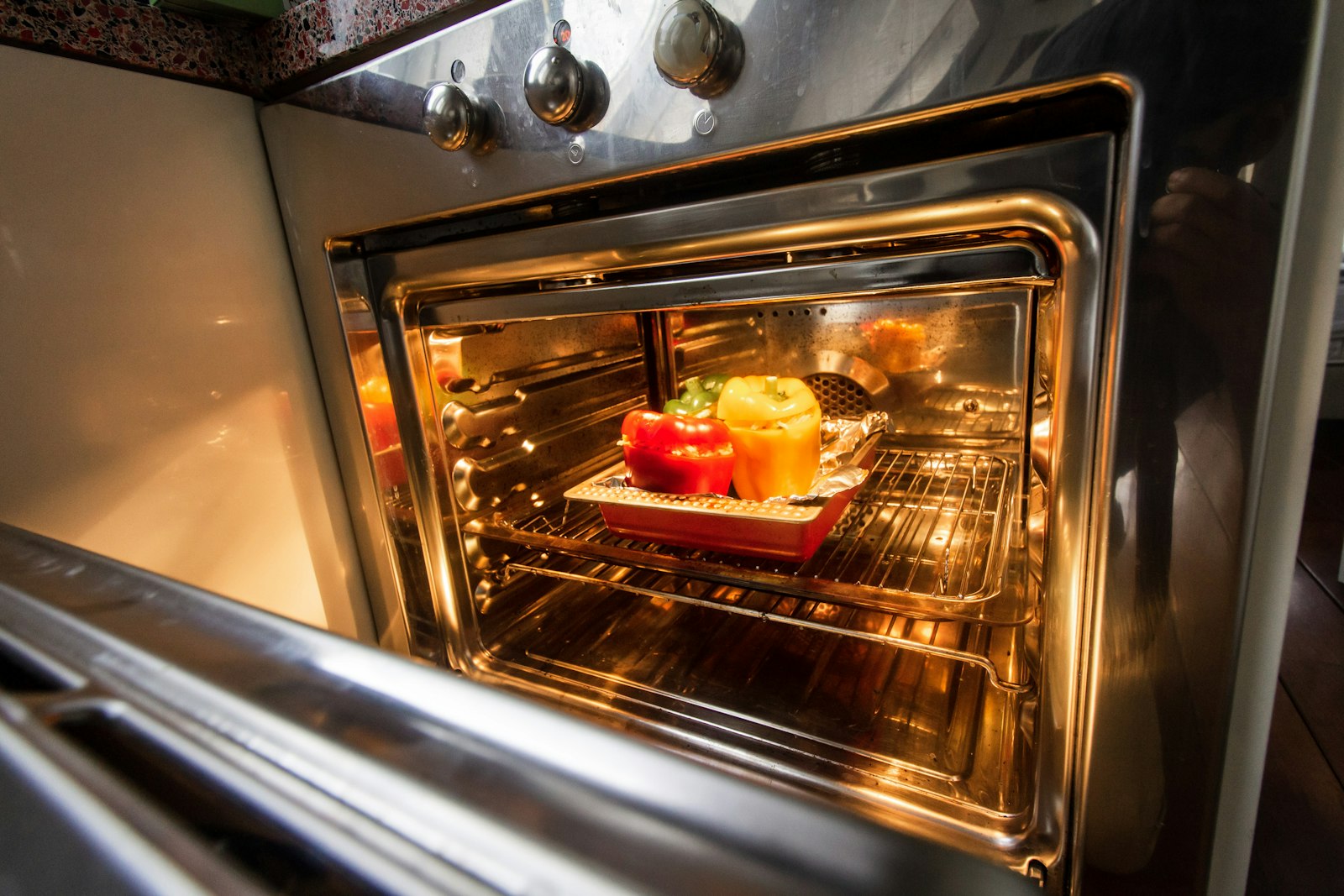
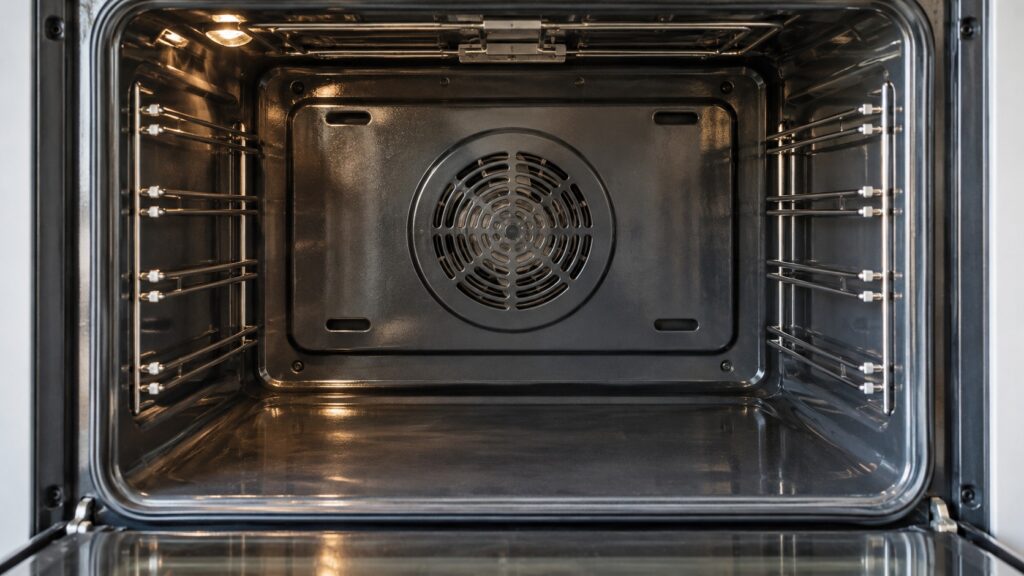
A conventional oven bakes with elements above and below the cavity. ProBake moves the heating element to the back, behind the fan, so heated air is pushed forward across every rack rather than radiating up from the floor. In practice that means more even results on multiple racks and less need to rotate trays halfway through.
In service terms it means something specific: when that fan stalls, the whole baking character of the oven changes. Uneven browning on a ProBake oven is a fan-and-element question before it is a thermostat question, and the control often says so directly with a convection-fan code. Our guide to LG oven F-codes lists which code points where.
The two cleaning modes are not interchangeable
EasyClean is a low-temperature cycle that works with water sprayed onto the cavity floor. It runs about ten minutes, does not lock the door, and is meant for light, fresh soil — the spatter from last night rather than a year of roasting. Used weekly it keeps an oven presentable with no heat stress at all.
Self Clean is the high-heat cycle. It raises the cavity to a temperature that turns residue to ash, and it locks the door for the duration and until things cool. It works, and it is hard on gaskets, latches, glass and electronics — which is why it belongs to twice-a-year deep cleaning rather than to routine. Our self-clean guide covers when each mode earns its place.
The practical rule: EasyClean often, Self Clean rarely, and never run either one expecting it to solve a problem that is really about a door that no longer seals.
Convection names, and what they are not
True Convection describes a third element wrapped around the fan itself, so the air arriving at the food is already at temperature rather than being stirred cavity air. Air Fry is a high-speed convection mode with its own fan behavior, run with a perforated tray so air reaches the underside of the food. It is a mode, not a separate appliance inside the oven — there is nothing extra to fail beyond the convection system it borrows.
What none of these names describe is temperature accuracy. An oven that bakes cold bakes cold in every mode, and that is a sensor or calibration matter covered in our guide on temperature that is not accurate.
InstaView belongs in the same family of names that describe convenience rather than cooking. Knock twice and the panel lights so you can see the roast without opening the door — which is genuinely useful, because every door opening dumps heat that the elements then have to replace. When the light stops responding it is a panel and sensor matter; the oven itself cooks exactly as before, and the repair is not urgent in the way a dead element is.
Names on ranges and wall ovens
Those last two matter mostly because they get blamed for faults they cannot cause. A touch panel that ignores a wet finger is behaving normally; a finish that shows marks after an abrasive cleaner has been used on it is not a warranty question but a cleaning one.
One more term shows up in every conversation about these ovens and deserves a plain definition: the cooling fan. It is not the convection fan, it runs to protect the electronics rather than to cook, and it keeps running after the oven is switched off. An owner who has just learned the word “convection” hears a fan running in a cold oven and reports a fault. Nothing is wrong, and knowing which fan is which saves that call.
Why the right name saves money
Two examples from the phone. “The oven does not bake evenly” is a symptom with half a dozen causes; “the ProBake convection fan is not turning” names a part, and the visit arrives with it on the van. “The oven will not clean” could be either mode — and if it is EasyClean, the answer is often that the cycle was asked to do a job it was never designed for.
The same holds for a double oven. One cavity dead while the other works is a fact worth reporting on the first call, because it eliminates half the electrical system before anyone arrives. A model number and a clear description of which cavity, which mode and which code on the display save more time on the first visit than any amount of description of the noise the oven is making.
When to call
Call when a convection fan is silent or noisy, when a cavity will not heat, when a self-clean cycle leaves the door locked, when a code returns after a power reset, or when one cavity of a double oven has gone dead. Door latches and control boards on a hot appliance are not owner territory.
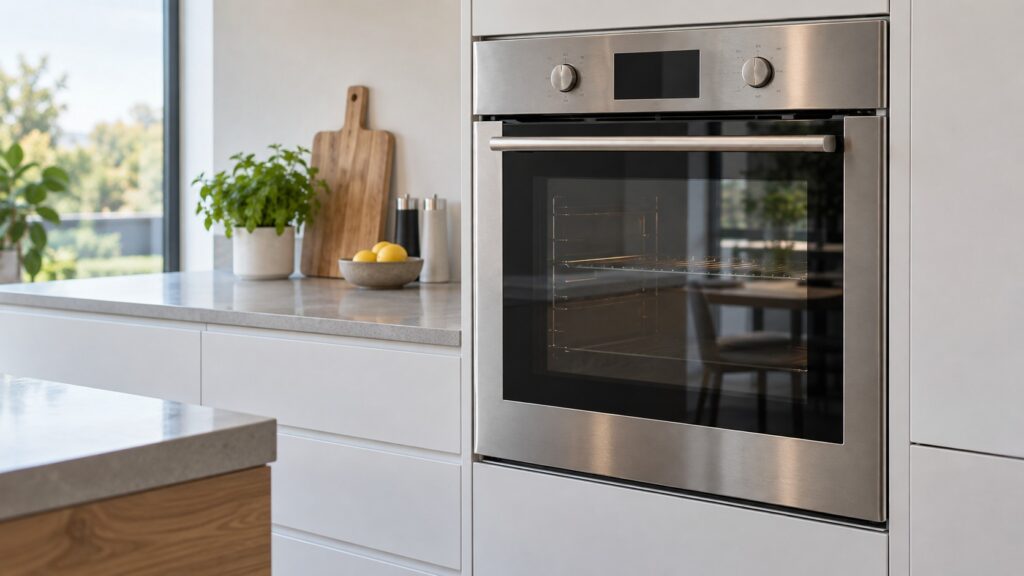
We are an independent repair company, not a factory service arm. Pricing starts from a diagnostic visit — from $89 — with the estimate confirmed before work begins. LG oven repair covers elements, convection fans, sensors, latches and controls on WSEP and WDEP wall ovens, and you can schedule a visit online.