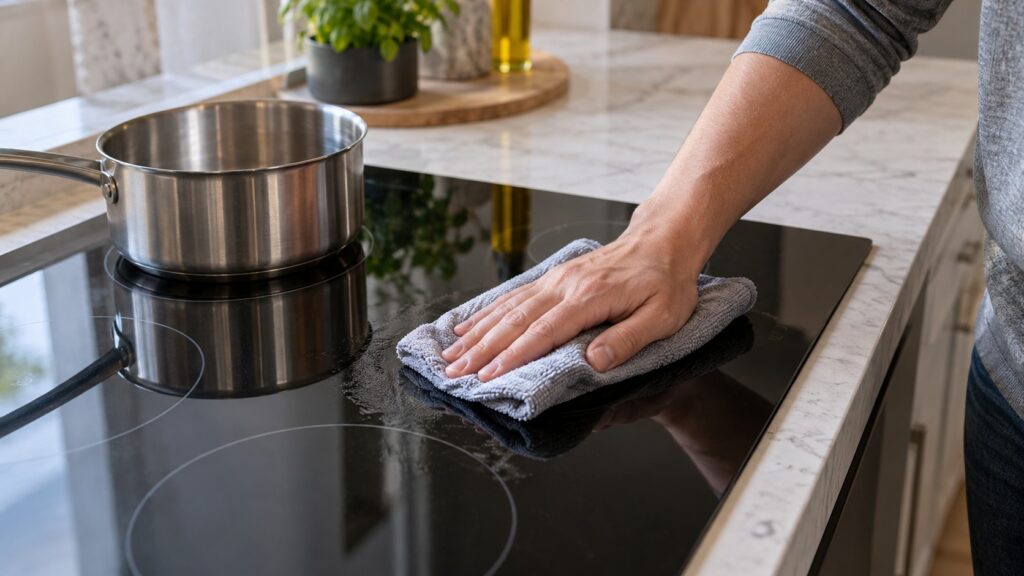
TL;DR: An LG induction cooktop needs a short routine after every use — wiping the glass before spills bake on, drying it fully, and checking that cookware is flat and magnetic — plus a periodic deeper clean of the vents and control panel. Skipping the daily wipe is the single habit most likely to leave a permanent mark on the glass surface.
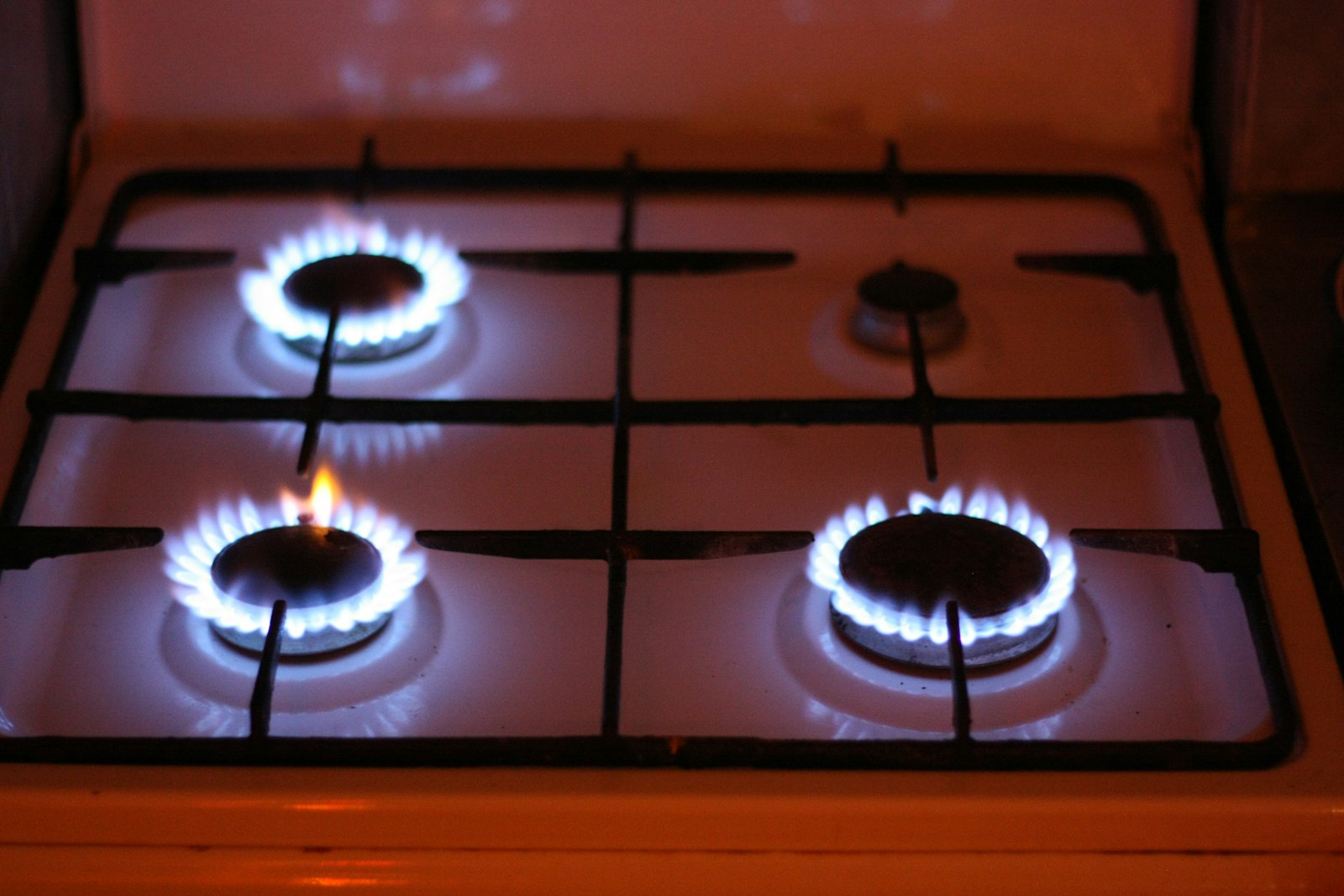
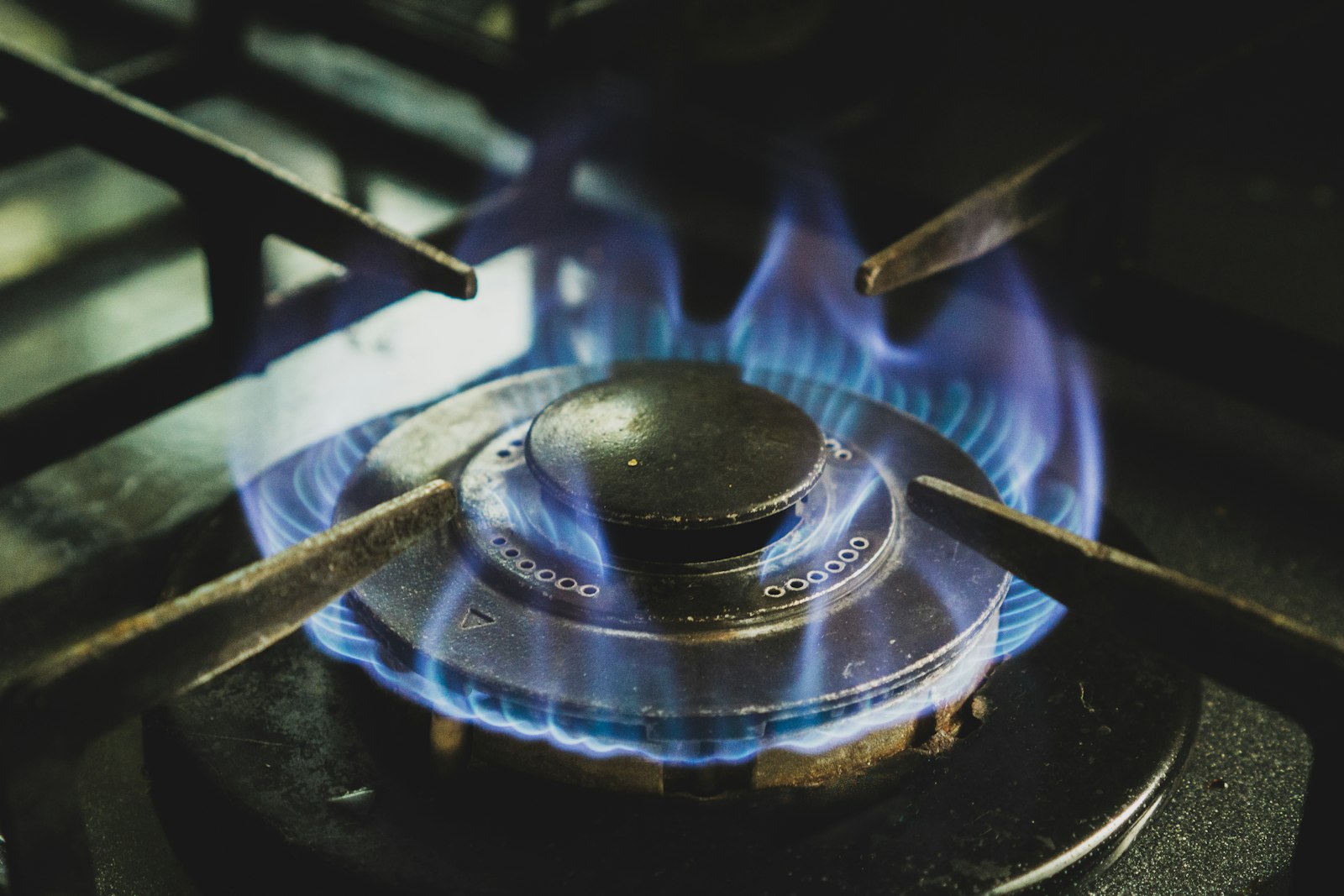
Induction cooktops look low-maintenance next to a gas range with burner caps to remove, and in one sense they are — there is no flame, no grate and no burner port to clean. But the smooth glass surface and the sensitive electronics underneath it are unforgiving about a different set of habits, and the mistakes that damage an induction cooktop tend to be permanent rather than something a deeper clean can fix later. A short lg induction cooktop maintenance routine, done consistently, avoids nearly all of that damage.
What should I wipe down after every cook on an LG induction cooktop?
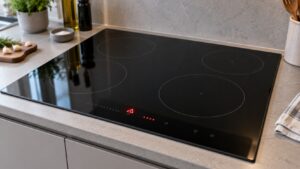
Wipe the glass surface while it is still warm but not hot, before any spill has a chance to bake on. Sugar-based spills in particular — sauces, syrups, boiled-over fruit — can etch or discolor the glass if they are allowed to burn onto it, in a way that a later scrub will not fully remove. A soft cloth and a cooktop-rated cleaner handle daily spills; avoid anything abrasive, since induction glass scratches more easily than it looks.
Does cookware choice actually affect the cooktop, not just the cooking?
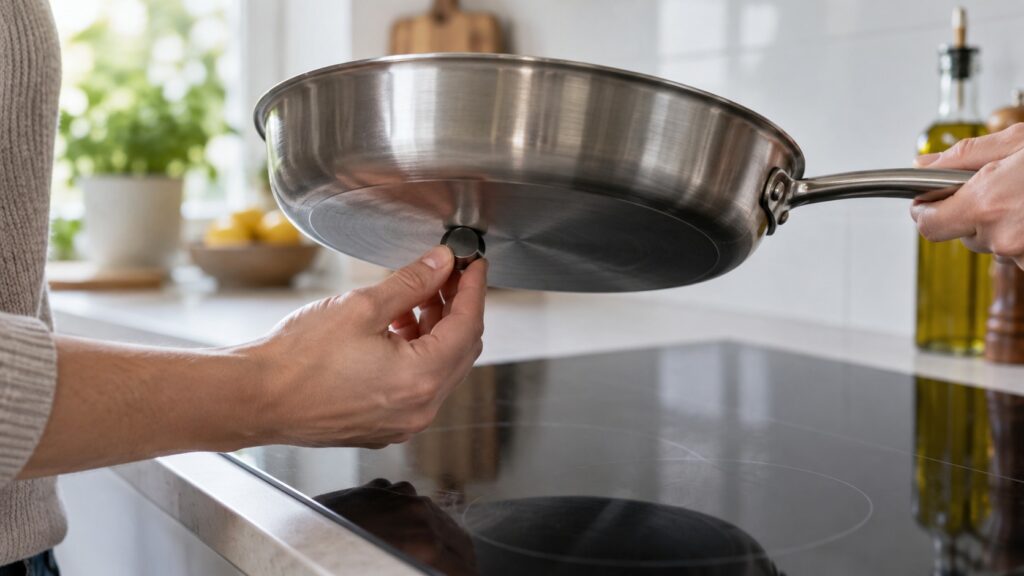
Yes, more than most owners expect. Induction heats through a magnetic field that couples with the base of the pan, so a warped, thin, or non-magnetic pan does not just cook unevenly — it can cause the cooktop to report a fault or refuse to heat at all, since the control cannot detect a proper magnetic connection. Dragging heavy cast iron across the glass instead of lifting it is the other common source of scratches; the cookware itself is usually fine, but the glass underneath is not built to be a cutting board.
How do I clean the glass without leaving marks?
Let the surface cool to warm rather than hot, apply a cooktop-specific cleaning cream or a mix of mild dish soap and water, and wipe with a soft microfiber cloth rather than a sponge with any abrasive texture. For stuck-on residue, a plastic scraper made for glass cooktops — never metal — lifts it without scratching. Finish by drying the glass completely; water left to evaporate on its own tends to leave faint mineral spots that build up over repeated cycles.
What maintenance keeps the electronics underneath healthy?
The induction coils and control electronics sit sealed under the glass, but heat still needs somewhere to go, and that means the ventilation gaps around the cooktop’s edge or in the cabinet below need to stay clear of dust and grease buildup. Once a quarter, check that nothing is blocking those vents, and keep the area around the cooktop’s edges free of grease film that can migrate into gaps over time. A cooktop that runs warmer than normal to the touch around its edges, with no other symptom, is often telling you the vents need attention before anything else does.
Should I do anything different seasonally or before extended trips?
Before leaving a home unoccupied for an extended stretch, wipe down the cooktop fully, confirm nothing has been left sitting on the glass, and double-check that the control panel is locked if the model offers a lock function, since an accidental touch on an empty cooktop wastes energy and, over a long absence, is worth ruling out entirely. Seasonally, a more thorough clean of the ventilation path — including any accessible filter in the cabinetry below, if the installation includes one — keeps dust from accumulating in places a weekly wipe does not reach. None of this replaces the after-every-use habit; it is a supplement for the times the cooktop sits idle longer than usual.
Why does my cooktop sometimes refuse to heat even with a good pan?
Beyond cookware issues, a pan sitting slightly off-center from the burner zone, a wet spot under the pan interfering with the sensor, or residue built up in a zone’s detection area can all cause a zone to refuse to start. Wiping the exact spot where the pan will sit — not just the general glass surface — before placing cookware solves more of these than owners expect. If a specific zone consistently underperforms after cleaning is ruled out, that points toward a coil or sensor issue worth having checked. Our induction cooktop won’t heat guide walks through that troubleshooting in more depth.
How is this different from maintaining a gas or electric coil cooktop?
There are no burner caps, grates or exposed coil elements to remove and clean separately, which is the main time-saver induction offers. In exchange, the glass surface and cookware compatibility take on the importance that burner cleaning has on other cooktop types — skip the daily wipe on induction and you risk a permanent mark, where a gas range would just need the cap scrubbed later. If you are deciding between cooktop types, our gas vs. induction buying guide and how induction cooktops work guide both cover this trade-off directly.
A little daily attention keeps an LG induction cooktop looking new for years, and most of the calls we get about scratched or discolored glass trace back to a burned-on spill rather than anything mechanical. We are an independent LG appliance repair company, not a factory service center, and if a zone stops heating despite good cookware and a clean surface, that is worth a proper diagnosis rather than more cleaning. Schedule a visit, or see our LG cooktop repair page for what else we check.