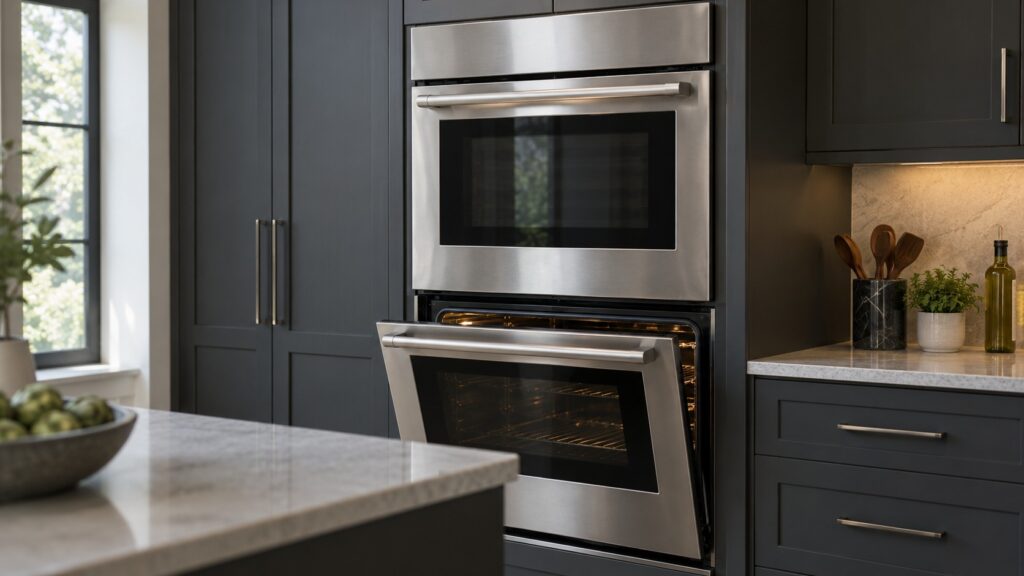
Repair an LG wall oven when it is under about ten years old and one part has failed: an element, a temperature sensor, a door lock or a cooling fan. Replace it when the control board is failing along with other parts, the cavity or door glass is damaged, the oven is past its expected life or the repair would cost more than about half of a comparable new oven. A technician’s diagnosis settles the close calls.
A built-in oven is not a casual purchase. It sits in a cutout that was made for it, it is wired into the house and a replacement means a new cutout fit, new trim and often a different electrical layout. That is why the question of LG wall oven repair or replace deserves more thought than it does for a countertop appliance. This guide sets out the questions that decide it, which failures are cheap to fix, which are a warning sign and how to prepare so you can compare a repair quote with a new oven on fair terms.
How old is too old to repair an LG wall oven?
Age is the first filter, but it is not the whole answer. A wall oven that is well cared for commonly lasts a decade or more, and one that is five or six years old with a single failed part is almost always worth fixing. Past ten or twelve years, repairs are still possible but the odds of the next failure arriving soon go up, and parts for older models are harder to find. The useful question is not just how old the oven is but how many things have gone wrong, and how recently.
Look at the history. One repair in six years is normal. Three repairs in two years is a pattern, and it usually means the real problem sits in the control or the wiring, where each fix only reveals the next weak spot. Write down every visit and every code you have seen; our LG oven F codes guide and the individual code pages help you check whether the same family keeps coming back.
Which LG wall oven problems are usually worth fixing?
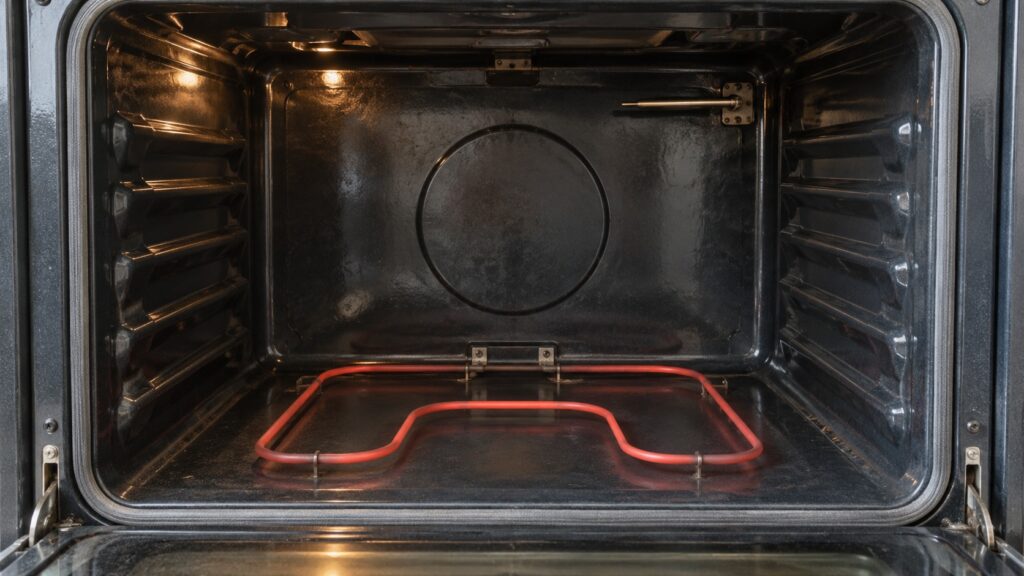
Many failures are part-level and inexpensive relative to a new oven. An oven that does not heat often has a failed bake or broil element, and the symptom is described in the LG oven not heating guide. An oven that runs hot or cold may only need a temperature sensor, which the oven temperature guide explains. A door that will not unlock after a clean cycle is usually a latch or lock motor problem, not a dead oven, as shown in LG oven door won’t unlock. A cooling fan that rattles or stops can be replaced without touching the rest of the oven.
These repairs share a feature: the failed part is easy to name, the rest of the oven is sound and the oven works as it did before when the part is changed. If a technician can point to one component and the oven is otherwise in good shape, repairing it is almost always cheaper and greener than replacing the whole unit.
Which failures are warning signs that it is time to replace?
Some problems are expensive or hint at wider decline. A failing main control board can cost a large share of a new oven, and boards sometimes fail because of heat, moisture or a power surge that also stressed other parts. Cracked door glass is a safety and efficiency problem: it lets heat escape and can shatter. A cavity that is rusted through, a door that no longer seals or a fan and motor assembly worn at several points all signal an oven near the end of its life.
Repeated lock and clean-cycle messages can also be a clue. The LOC and CL messages are status messages, not faults, so do not count them as failures. Fault codes that return after a repair are a different story. If the same code appears again, ask the technician whether the cause was the part or the board that drives it.
What should I compare before I choose?
Get the repair estimate in writing, with the part, the labor and any extra visit listed. Then price a comparable new oven, including delivery, haul-away and installation. A like-for-like replacement of the same width and height fits the existing cutout, which saves cabinet work; a different size or a switch from a single to a double oven can mean carpentry and a new circuit. Our LG wall oven installation guide shows what a replacement requires, so you can see what is involved before you decide.
A simple rule works for most owners: if the repair costs less than about half of a comparable new oven, and the oven is not near the end of its life, repair it. If it is more than half, or if a second serious fault shows up, replace it. Remember that a new oven also carries its own break-in risks, and an older oven that has been reliable for years is a known quantity. If you own a freestanding or slide-in range rather than a built-in, the LG range repair-or-replace guide uses a similar approach.
How do I get a fair diagnosis?
Before the visit, note the model and serial number from the label, the exact symptom and any code on the display. Leave the oven alone until the technician arrives, and do not run repeated self-clean cycles to test it. A good visit ends with a named cause, a clear estimate and an honest view of the oven’s remaining life. We are an independent service, so the recommendation does not depend on selling you a new oven. The LG oven repair page shows what a visit covers, and you can schedule a visit online.